SmartMess — Intelligent Mess Management
HackIIIT 2026·
Real-time crowd analytics, a peer-to-peer meal marketplace, and community-driven reporting for IIIT Hyderabad's mess system.
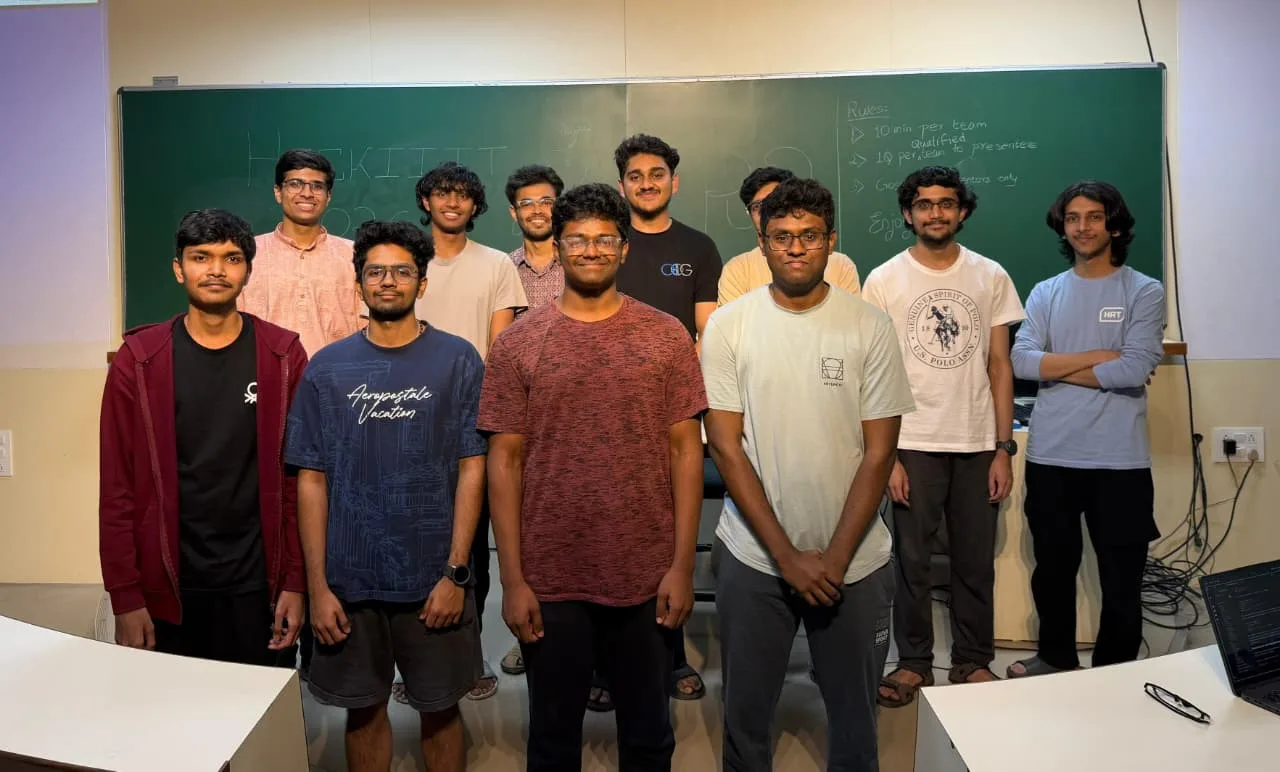
Top 5 overall and the “Most Impactful” award at HackIIIT 2026 — an integrated platform tackling mess overcrowding, prepaid-meal waste, and the feedback black hole across mobile, two Go services, and a web dashboard.
The problem
Campus mess facilities at IIIT Hyderabad have three chronic inefficiencies:
- Crowd mismanagement — no real-time visibility into occupancy, so peak hours mean long waits and uneven load across the three messes (Palash, Kadamba, Yukthahar).
- Economic waste — students lose prepaid credits when they skip meals, while others want extra meals with no way to transfer them.
- A feedback black hole — quality and infrastructure complaints vanish into isolated WhatsApp groups with no accountability.
What we built
SmartMess — an Android-first ecosystem addressing all three:
- Real-time crowd intelligence: live occupancy with Green/Orange/Red tiers, two-week historical patterns, "best time to visit" predictions, and surge alerts.
- Peer-to-peer meal marketplace: list unused meal QR codes, browse/filter/buy, a quote system for price negotiation, UPI payments, lock mechanisms against double-buying, and time-boxed QR codes that expire after the slot — plus reserve prices, stop-loss auto-repricing, and reverse "buy requests."
- Community reporting: non-anonymous issue reports with voting and comments, visible to students and mess management.
Stack
A genuinely multi-service build: FastAPI (Python) for the mobile backend and marketplace logic, two Go services for MessCom integration and background analytics, Supabase (PostgreSQL) for storage, a React Native (Expo) app, and a Next.js analytics dashboard with Recharts.
What I learned
- Marketplace mechanics are subtle. Locks, expiry, and reserve prices are what stop a "swap your meal" idea from becoming a mess of double-spends.
- Multi-service from day one is a tax worth paying only when the domains (transactions vs. analytics) genuinely differ — here they did.
Scroll sideways · click any photo to enlarge